Yards

Training First

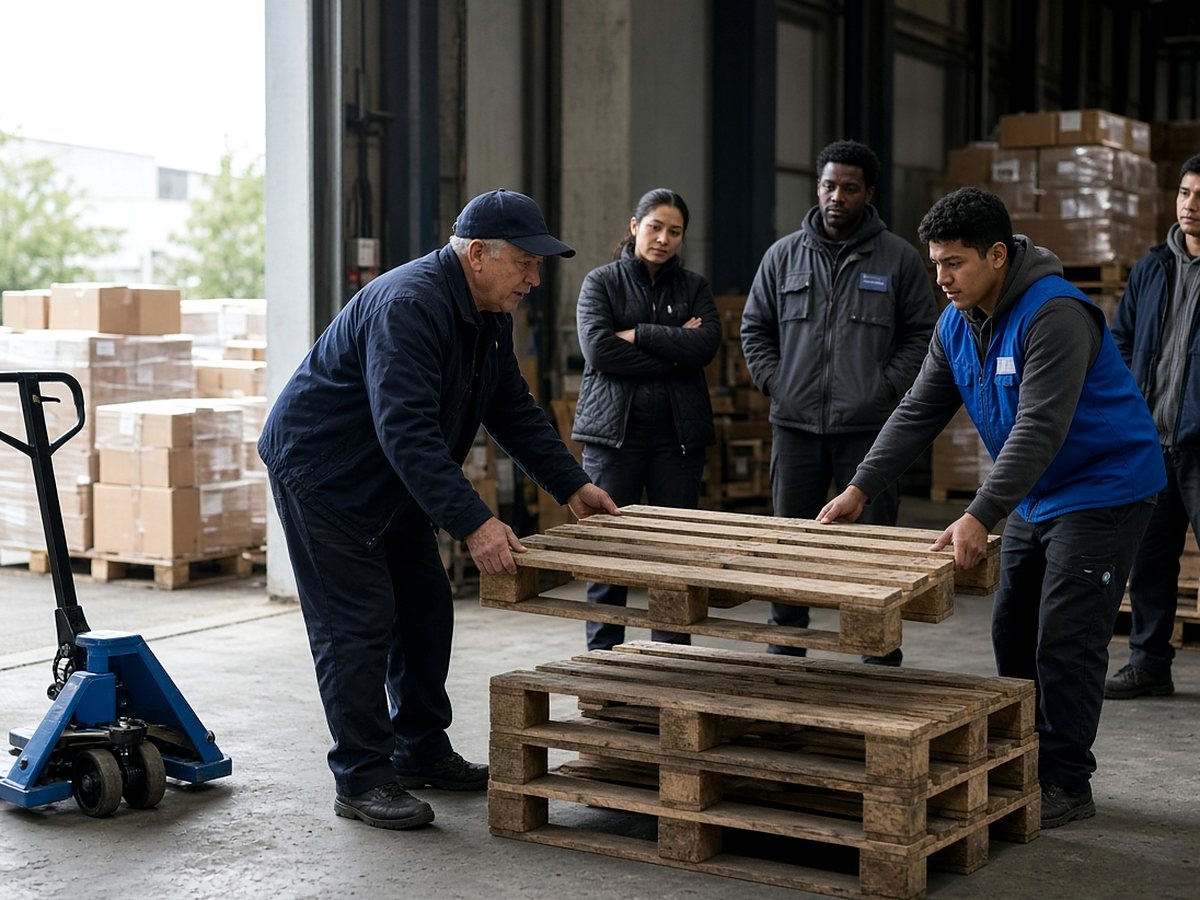
Training First is built for warehouse crews that need better pallet handling where stock is received, stacked and loaded. The focus is on lifting, placing, sorting and checking habits that cut avoidable damage and keep counts closer during busy dispatch periods.

How Training First supports a real week

Training First is for warehouse teams that want better pallet handling on the floor. Ampallet focuses on practical handling habits that help reduce damage, improve counts and keep repair demand more manageable.

Send the training brief with your pallet size, product weight and the points where handling usually goes wrong. Conditions differ between inland dust, coastal damp, generator changeovers and tight truck booking windows, so the session needs your site reality. Johannesburg, Durban, Cape Town and smaller depot operations do not all handle pallets the same way.

Include photos from the loading zone, damaged stack and busiest aisle, not only the neat area near the office. Those images show board breakage, leaning stacks, fork entry mistakes and mixed returns more clearly than a short message. A simple note posted near the pallet area also helps shift teams follow the same handling method.

Handling points that need drilling

The training notes should leave your team with clear checks for stack condition, safe fork entry and separation of repair stock from usable pallets. Keep the wording short enough for supervisors to use during handover. One routine repeated correctly on every shift is worth more than a thick pack nobody opens again.

Link Training First to the matching yard issue or movement concern before adding extra topics. Recheck pallet quantities and visible breakage before any truck leaves the gate, especially after stock has been reshuffled. Pallet orders are priced on size, quantity and load weight, together with the address where the stack will be off-loaded.

  • Fork entry checks at live stacks
  • Photos of recurring handling mistakes
  • Crew timing noted for shift overlap

Site conditions that change training

Training content must fit the pace and layout of the yard or warehouse, whether that is near OR Tambo, in Sunnyrock, around Crown Mines or at a smaller outlying depot. Long-haul collections, export prep and late dispatch pressure all change how pallets are moved and checked. Separate once-off rush activity from the handling routine your team needs to follow every week.

Coastal air can leave timber damp and increase the chance of warped boards in storage. Inland dust makes defects harder to spot unless stacks are inspected properly under good light. Power cuts and generator periods also affect when teams can sort, repair and move pallets safely.

Operated by Astros Marketing (Pty) Ltd from 2 Makro Place, Sunnyrock 1401.

What to send before training

Send the training context with site photos, crew timing, and the recurring pallet handling mistakes already costing time. Keep the subject line clear.

Share site photos, shift times, pallet types and the handling errors you keep seeing, such as dragging stacks, poor fork placement or damaged corners at dispatch. Add any count variances linked to those mistakes so the session can address the costly points first. Keep the notes with your movement record and damage summary for internal follow-up.

What our Pallet Supply customers say

Verified Google reviews