
Yards

Starter Floor

A straightforward starting point for pallet supply on South African warehouse floors, for teams who already know how the work moves.

How Starter Floor begins on a real week

Starter Floor is a straightforward option for sites that need a reliable pallet supply base. Ampallet supports new or growing warehouse floors with practical volumes, repair backup and collections where needed.

List the pallet size, stack height, and where pressure is building in the warehouse first. Highveld dust, coastal damp, power cuts, and linehaul cut-off times all change what should be supplied, repaired, or collected. We write with Johannesburg, Durban, Cape Town, and smaller depot yards in mind, where stock gaps usually need a direct fix, not another long email.

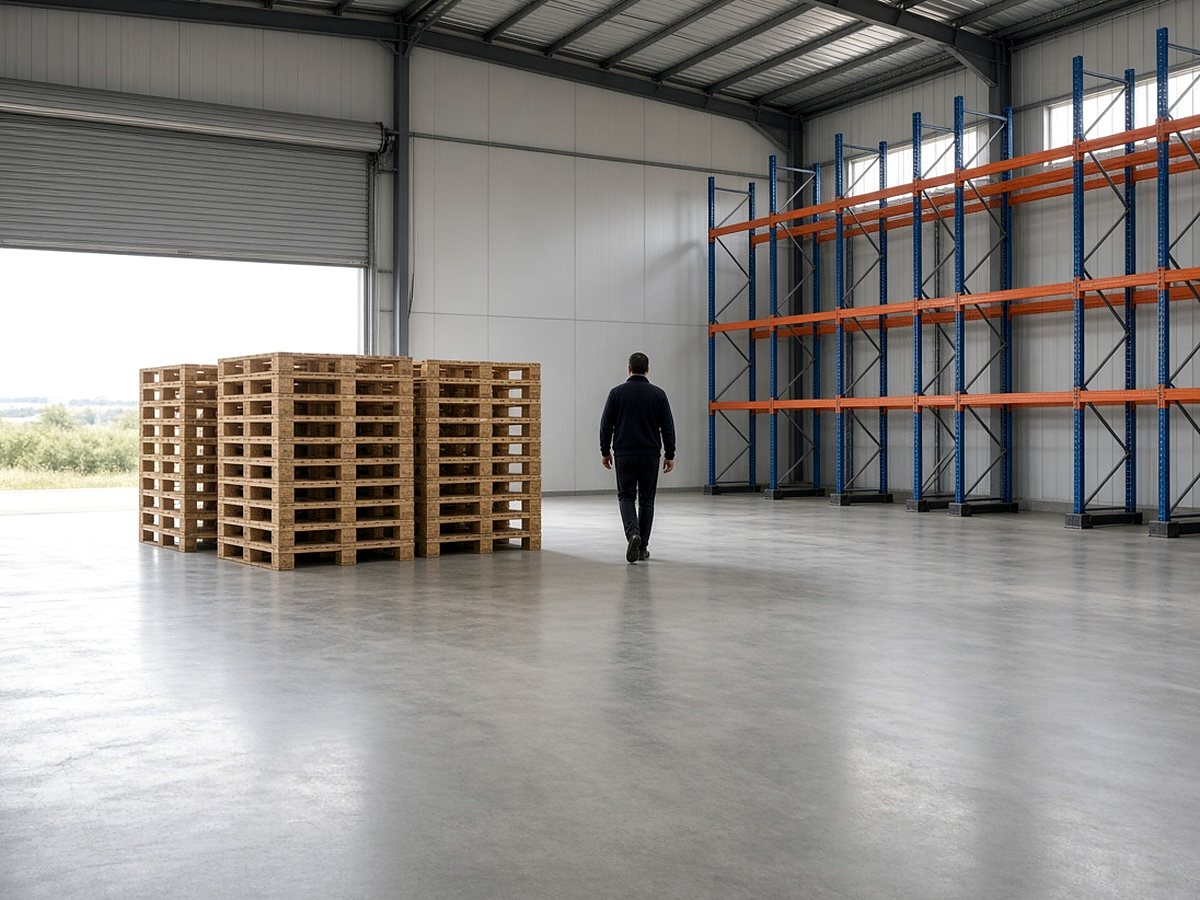
Include clear photos of the receiving bay, the stacked pallets, and any breakage that keeps repeating. That first visual check helps separate recoverable stock from units that should not go back into circulation. It also shows whether the issue sits with handling, storage, or poor returns from transport legs.

Starter stock picture

You leave with a usable starting brief, pallet checks that can be handed to the bay supervisor, and wording that states size, quantity, repair condition, or collection needs without guesswork. The aim is to get the first stock movement organised around your site conditions. For a new warehouse line or an overflow area, one clear plan is worth more than a long chain of mixed instructions.

Before sending a request, note the site town, pallet quantity on hand, and whether collections are part of the problem. Add one image of the storage area and one image of the pallet condition if possible. That gives Ampallet a better read on supply needs, repair mix, and vehicle access at your premises.

  • Starting volumes suited to current throughput
  • Photos showing damage, stacking, and access
  • Repair backup noted with the request

Site conditions that change planning

A starter arrangement in Gauteng often needs attention to dust, tight loading slots, and mixed stock from several transporters. Durban sites usually need closer checking for moisture exposure and timber condition, especially where pallets wait near open doors or uncovered yards. Cape Town operations can have different inbound and outbound patterns, so supply and returns should be listed separately from the start.

Salt air near the coast shortens pallet life and changes how stock should be stored under cover. Inland dust makes sorting, counting, and damage checks more important before loading starts. Power cuts can shift loading windows and repair timing, so a depot visit should deal with the pallet issue on site rather than drift into a sales talk.

Operated by Astros Marketing (Pty) Ltd from 2 Makro Place, Sunnyrock 1401.

What to send first

Give the floor basics with photos, expected pallet flow, shift timing, and the first issues already showing up in the bay. Keep the subject line simple.

Use the first message to set out pallet type, expected weekly movement, shift pattern, and any urgent stock shortfall. If broken pallets are piling up, say where they are stored and whether they need collection or sorting on site. A short note with counts and photos is usually more useful than a long explanation without site detail.

What our Pallet Supply customers say

Verified Google reviews