
Yards

Overnight Run

Overnight Run covers pallet movements that happen after the day shift signs off and before the morning receiving queue starts. It suits sites that load late line-hauls, accept pre-dawn arrivals, or need empty pallets cleared from a busy yard before first light.

How Overnight Run lands in a real week

Overnight Run suits operations that load or receive after normal warehouse hours. Ampallet can arrange pallet supply, collections or transfers around late dispatch, early arrivals and after-hours floor movement.

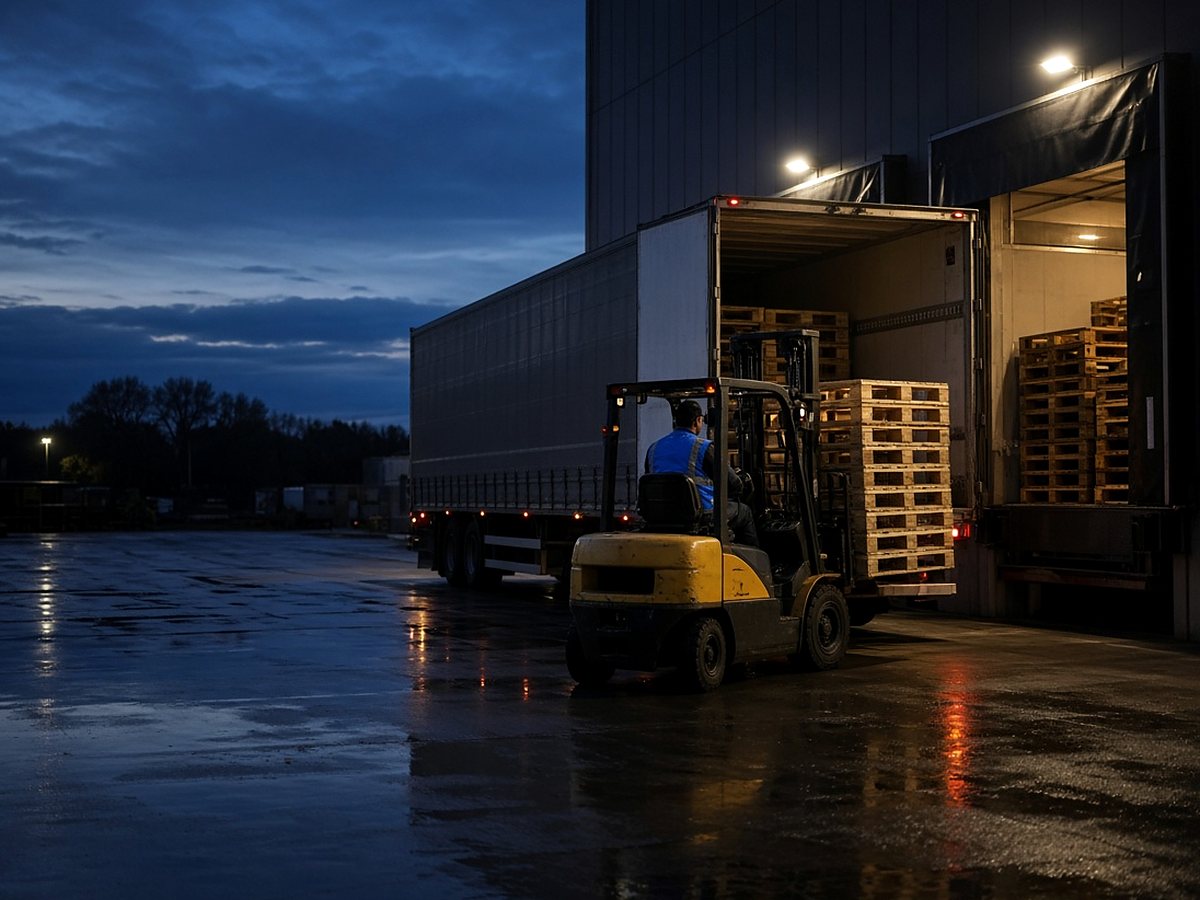
Set out the pallet spec, expected count, truck access point, and handover hour before the vehicle is dispatched. Night work changes the checks: bay lighting, fork battery charge, rain on the yard surface, and whether wrapped loads sat outside all evening. Johannesburg, Durban, Cape Town, and smaller inland depots all need different notes when pallets are moving outside normal receiving times.

The first bay photo matters because it shows stack condition before the overnight movement starts. Add a short handover note with load count, visible board damage, and any wet packs so the morning team is not guessing what arrived. One clear record at midnight prevents a dispute at 06:00.

Night-shift handover record

Capture the route, collection points, arrival windows, and any pallets that were rejected on inspection. The useful part is the trace left behind: quantities moved, condition noted, and who received the load at each stop. That gives transport, warehouse, and procurement the same version of events.

Link Overnight Run to the matching yard note and any transfer entry before adding extra collections to the route. Recount the stack at loading, photograph corner damage, and note whether the trailer left with sorted empties or mixed repairs. Pallet orders are priced on size, quantity and load weight, together with the address where the stack will be off-loaded.

  • Route note for after-hours pallet moves
  • Bay photos logged before departure

Checks that matter after dark

Night runs around OR Tambo, Crown Mines, and the Durban port side do not fail for the same reasons. One site may struggle with queueing and access control, while another loses time on late paperwork, wet pallets, or no marked receiving bay. Keep the once-off recovery load separate from the standing overnight route so counts do not get mixed.

Coastal air can leave timber damp by morning, especially where stacks waited uncovered near open yards. Inland dust makes broken deck boards and loose nails harder to spot under weak lights, so torch checks and close photos help. During power-cut periods, note whether charging points, dock levellers, and security gates were operating when the truck arrived.

Operated by Astros Marketing (Pty) Ltd from 2 Makro Place, Sunnyrock 1401.

What to log per run

List the overnight route, bay photos, handover times, and any missed loads or damaged pallets from the last run. Keep the subject line exact.

Record the departure time, each stop on the route, handover names, and any missed loads before the next shift starts. Add photos of damaged pallets, blocked bays, or mixed stack heights if the load could not be taken as planned. That file gives the morning team a usable overnight history instead of piecing it together from calls.

What our Pallet Supply customers say

Verified Google reviews