
Yards

Multi Site

A practical plan for pallet control across multiple South African sites, written for teams managing more than one warehouse floor.

How Multi Site works in a busy week

Multi Site support is for businesses managing pallets across more than one warehouse or distribution point. Ampallet helps you line up supply, repairs and bulk moves so counts and stock flow stay clearer between South African sites.

Map each warehouse or depot by pallet size, weekly volume, and where stock usually drifts out of count. Johannesburg, Durban, Cape Town, and smaller inland sites do not lose pallets for the same reasons. Rain on coastal loads, Highveld dust, traffic cut-off times, and power interruptions all change how supply, repairs, and transfers should be planned between sites.

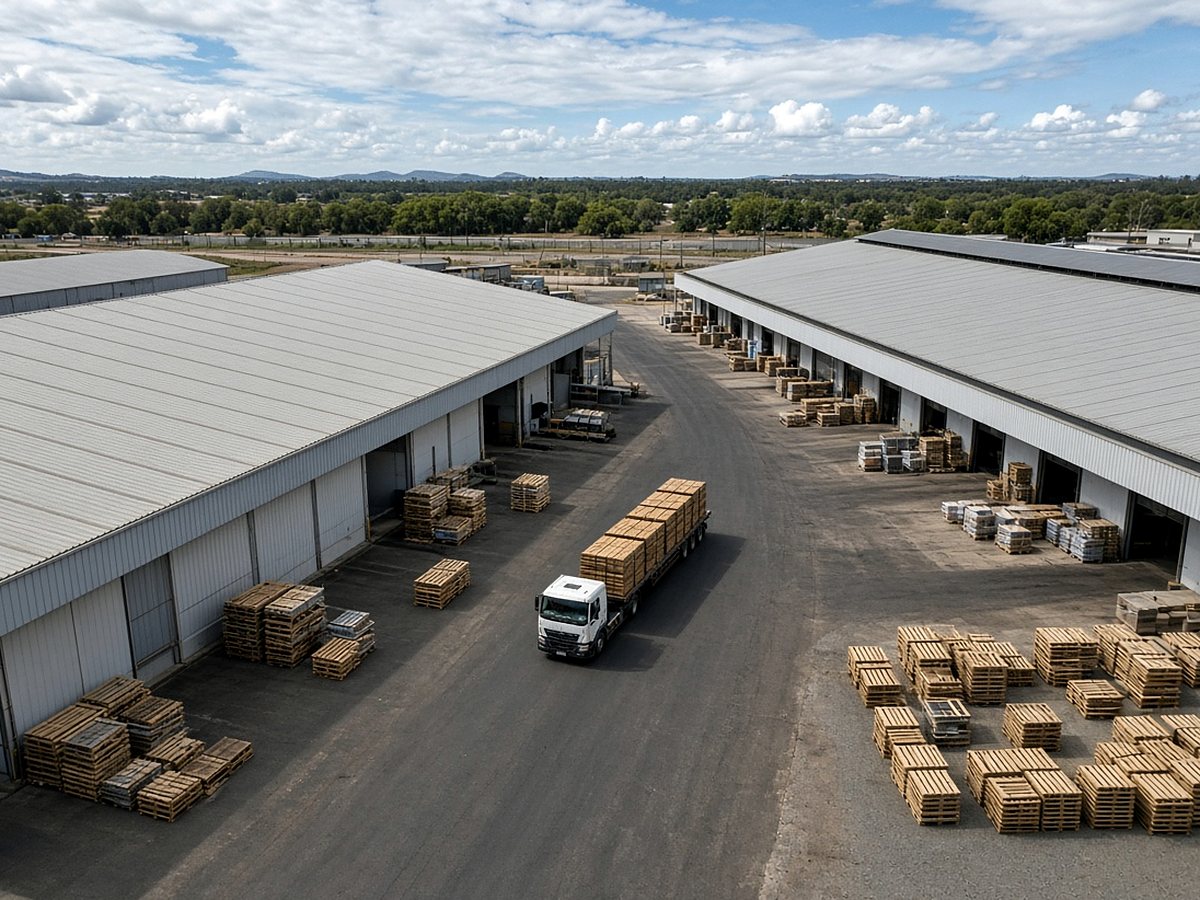
Begin with one clear snapshot of the main stacking area at each location. A short site note next to that image helps receiving teams see what is repairable, what must be removed, and what can be reissued into stock. That reduces arguments when mixed pallets arrive from another branch on the same truck.

Site-by-site control points

The Multi Site plan sets out which branch needs stock, which branch can release surplus pallets, and where damaged units should be separated for repair. Notes stay plain so transport, warehouse, and buying teams are all working from the same counts. One clear transfer record between sites is worth more than a long chain of mixed instructions.

Link Multi Site with the related yard process and the matching logistics movement before adding another depot to the plan. Check quantities, pallet condition, and loading access again before the truck leaves. Pallet orders are priced on size, quantity and load weight, together with the address where the stack will be off-loaded.

  • Transfer notes for each warehouse
  • Damage sorted before inter-site loading
  • Counts shared with all site contacts

Conditions across SA sites

Multi-site pallet control changes when one branch dispatches retail loads, another handles bulk storage, and another only receives overflow. OR Tambo export pressure, Durban port traffic, and industrial access times around Johannesburg all affect when vehicles can move between sites. Keep urgent recoveries separate from the standing transfer plan so routine stock does not disappear into exception work.

Coastal moisture can swell timber and worsen nail pull on pallets stored near open loading areas. Inland dust makes stack checks and grading harder, especially where stock stands for too long between dispatch cycles. During power cuts, teams often compress loading windows, so branch counts need another check before pallets are sent onward.

Operated by Astros Marketing (Pty) Ltd from 2 Makro Place, Sunnyrock 1401.

What each branch should send

List every sending and receiving site, the pallet quantities, vehicle access limits, and any handover points where stock has gone missing before. Add photos if one branch uses a different stacking method or keeps damaged pallets in the same zone as usable stock. Clear site detail makes cross-branch moves easier to track.

File the transfer note while the movement is still fresh, not days later when counts have shifted again. Attach it to the delivery record and the damage report if the pallets changed condition between sites. That gives procurement and operations a usable record when they query shortages or repair volumes.

What our Pallet Supply customers say

Verified Google reviews