How Spare Logic helps with extra pallet stock
Spare Logic is about keeping the right balance between damaged pallets, repaired stock and usable returns. If repair stock is tracked properly, the floor is less likely to run short while broken units pile up in the yard.
Begin with three figures: usable pallets, damaged units, and returns due back. Durban moisture, Highveld dust, power cuts, and late carrier cut-offs all change how much repair stock should sit on hand. The note speaks to Johannesburg, Durban, Cape Town, and smaller depots where mixed stacks can disrupt a loading plan quickly.
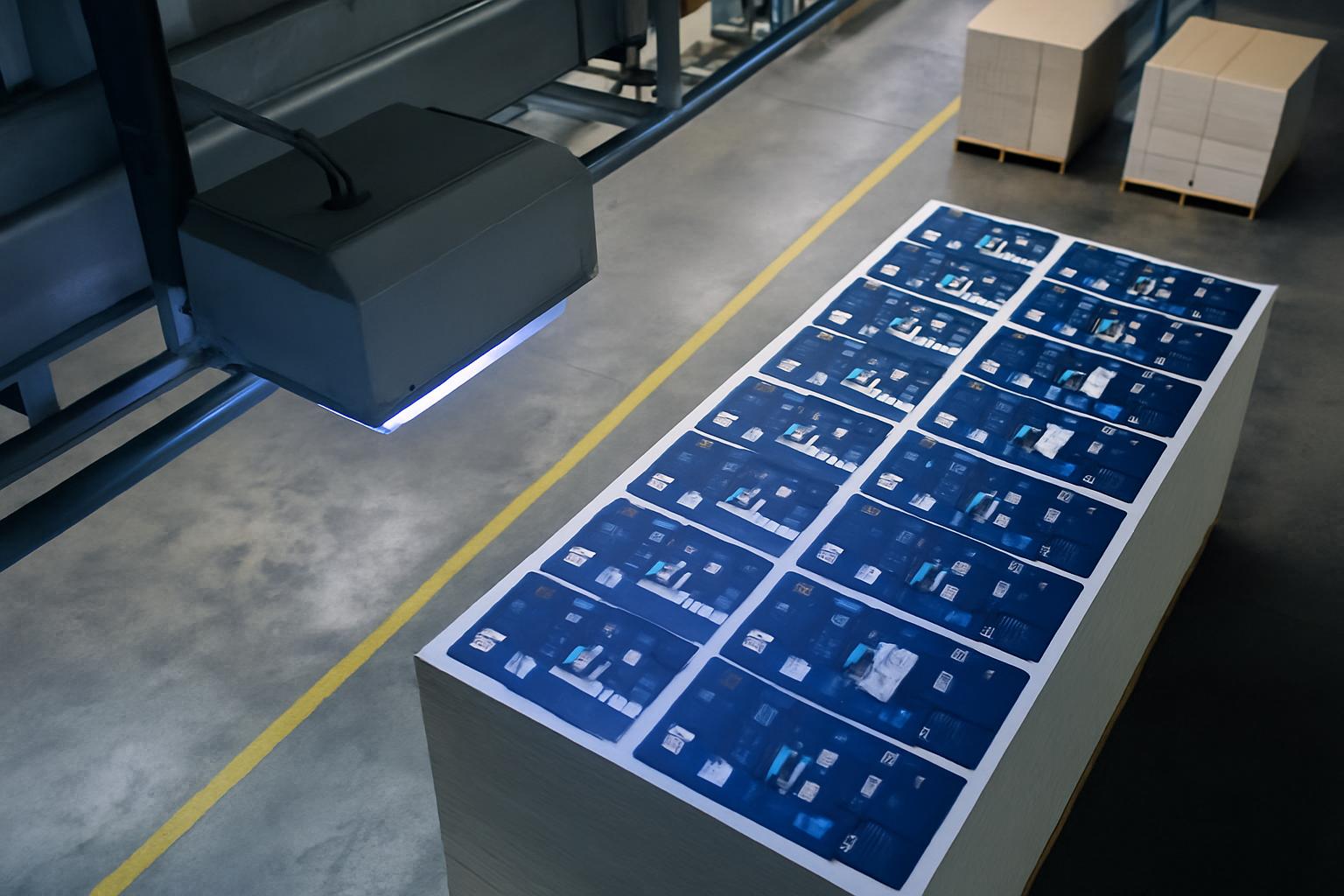
A photo of the first bay gives the clearest starting point when mixed returns and damaged units are being sorted. Keep a short stock note with the stack or attach it to the PO so the next shift can see what is usable, what must go to repair, and what should stay out of circulation. That record often stops early-morning disputes when forklifts start pulling from the same area.
What Spare Logic leaves clearer
The aim is a stock view that shows what can load, what must be repaired, and what should wait for return processing. One clean count system is worth more than a long thread of conflicting updates. Spare Logic keeps attention on serviceable pallets before volume lifts expose the gaps.
Link Spare Logic with the matching yard note and any relevant Logistics entry before changing stock rules across a site. Recheck usable numbers and repair quantities before a vehicle is loaded out. Send the depot location and pallet type.
- Repair stock split from ready-to-use stock
- Opening count checked before first dispatch
- Photos and counts kept with one record
Conditions that distort stock visibility
Planning changes around OR Tambo export peaks, Sunnyrock cut-offs, Crown Mines traffic, and busy regional dispatch slots. Those pressures can hide damaged pallets inside return stacks until serviceable numbers drop too far. Keep urgent recovery work separate from the normal weekly pallet supply plan.
Coastal air can worsen timber condition when stacks stand too long without sorting. Inland dust makes markings and quick visual checks less reliable, especially in large yards. Power cuts also shift when repairs, counts, and loading can happen, so stock visibility has to be updated after each disruption.
Operated by Astros Marketing (Pty) Ltd from 2 Makro Place, Sunnyrock 1401.
Spare Logic filing notes
A practical floor note on repair stock logic for teams balancing damaged pallets, usable units and return volumes.
File the stock note while the count is still fresh. Spare Logic works best when paired with a site note, pallet photos, and the latest stock sheet for the buyer or operations team. That record helps explain why usable stock dipped even when total pallet numbers looked high.