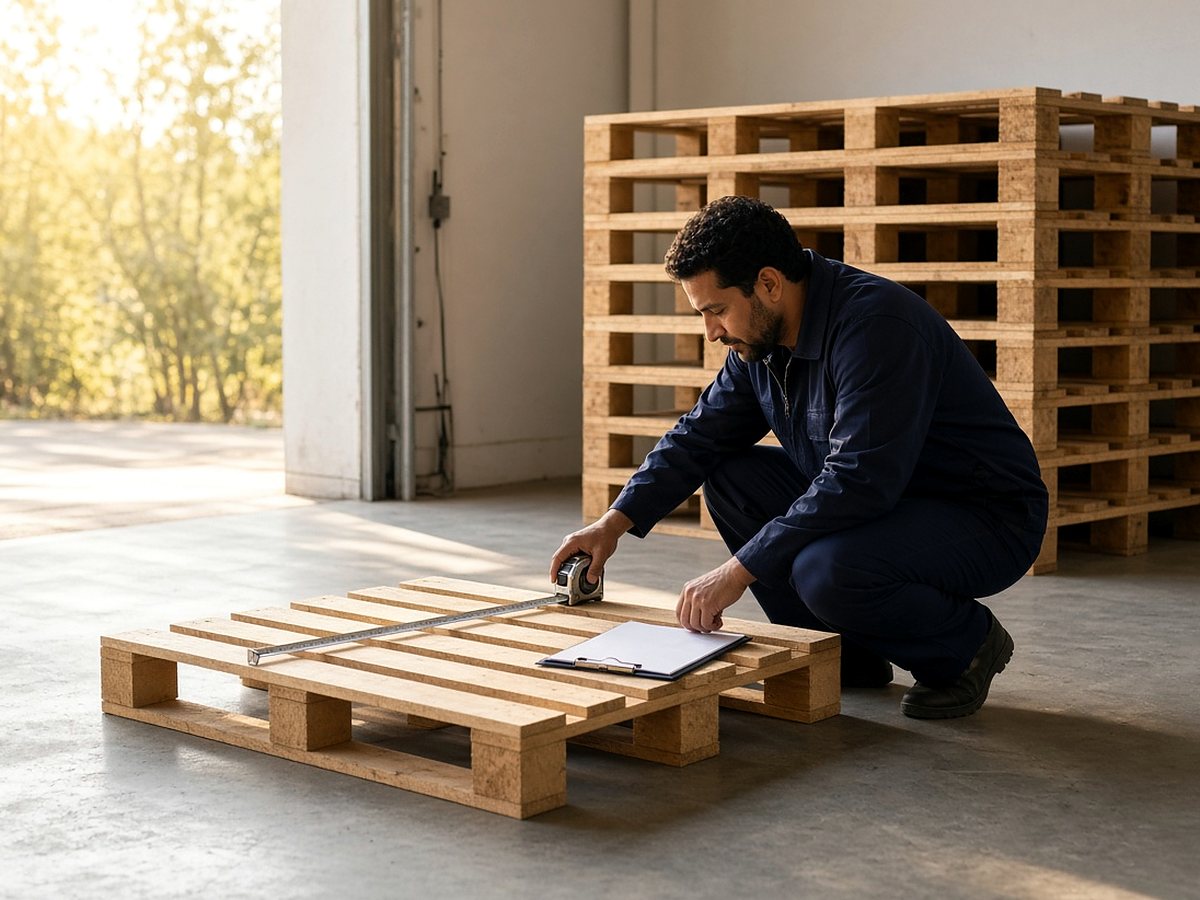
How First Article starts with a timber pallet check
The first load sets the tone for the rest of the pallet movement. Size, stack height and pallet condition should be checked early, before one bad start slows a full warehouse lane.
Begin with the pallet itself, not the paperwork. Check whether the load is on the correct timber pallet, whether the footprint suits the product, and whether the stack height will clear the trailer and the receiving bay. In Johannesburg, Durban and Cape Town, site conditions differ, but the first stack still needs a visual check before volume starts moving.
A photo of the first bay or first loaded stack gives everyone the same reference. Forklift teams can compare overhang, wrap, corner support and damaged boards before the next pallets are staged. That is often enough to stop mixed standards across one outbound batch.
What the first article should show
The first article should leave a record of what was accepted at the start. Usually that means pallet type, quantity on the first vehicle, visible damage, stack pattern and any note about unstable or mixed stock. A short written check is more useful than trying to fix the story later from memory.
Before the job widens, compare the first article with the yard stock and the vehicle being loaded. Recheck counts, pallet condition and stack height before the truck exits the gate. Pallet orders are priced on size, quantity and load weight, together with the address where the stack will be off-loaded.
- Accepted pallet type for this load
- Opening stack checked and photographed
- Written note for dispatch records
Site conditions that affect first-off loads
A first article at OR Tambo freight work does not face the same constraints as a Sunnyrock warehouse or a Crown Mines dispatch yard. Bay height, trailer type, dock pressure and product mix all change what must be checked first. Separate the urgent outbound load from the routine weekly pallet stream when both are happening on one site.
Coastal humidity can soften stored timber and make damaged boards easier to miss under wrap. Inland dust and busy yard traffic can hide cracks, twisted blocks and poor stacking until the vehicle is nearly away. Power cuts also shift loading windows, so the first accepted stack should be recorded while the team is still on the bay.
Operated by Astros Marketing (Pty) Ltd from 2 Makro Place, Sunnyrock 1401.
First article note for the file
For first-off loads, confirm size, stack height and pallet condition before the balance goes out. One wrong start can hold up a full warehouse lane.
File the first article on the same day as the movement. Keep it with the load record, pallet count and any damage photos so the warehouse, transporter and buyer are all working from the same starting point.